Beautiful Plants For Your Interior
Beautiful Plants For Your Interior
Rigid boxes and folding cartons are two common paper packaging choices. Understanding their differences can help brands choose the right packaging structure.
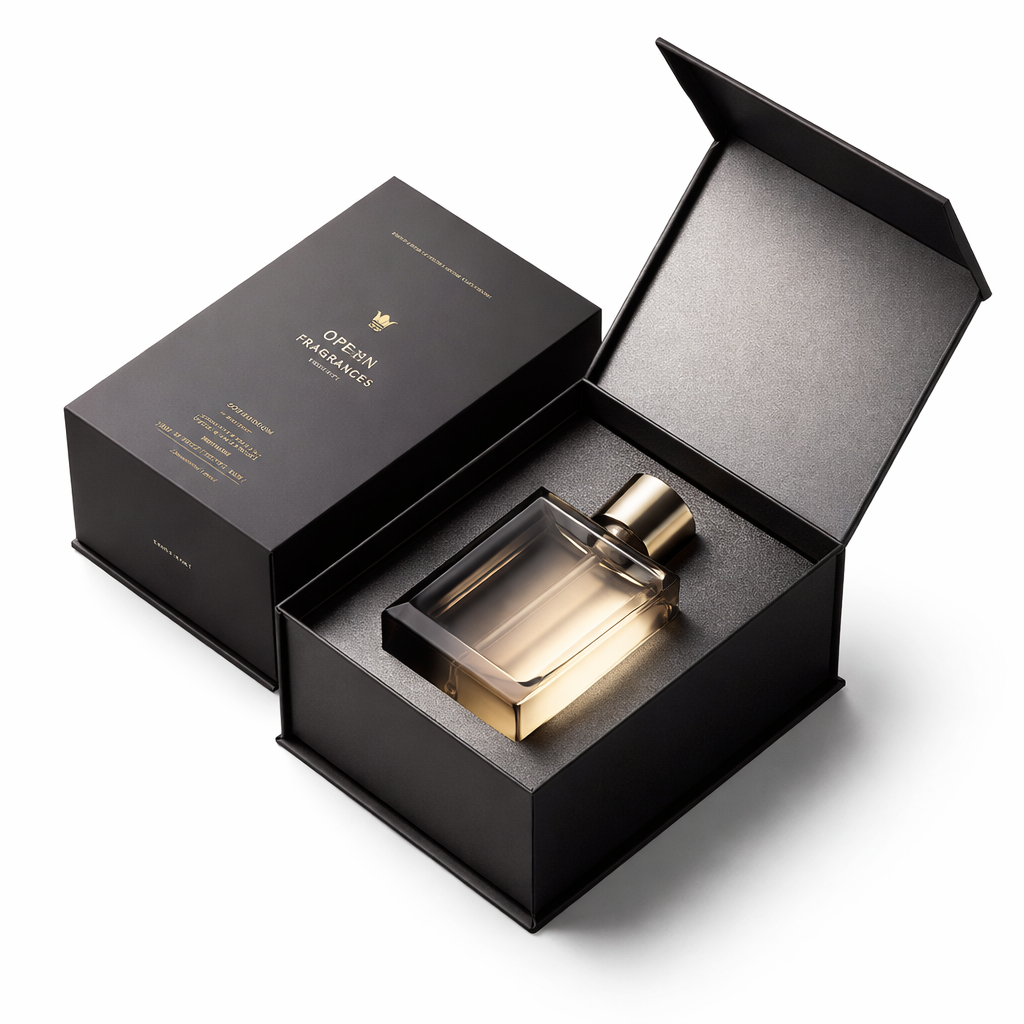
Rigid boxes and folding cartons are two of the most widely used paper packaging options for retail products and gift packaging. Both can be customized with printing, logo, color and finishing, but they are designed for different purposes. Choosing the right structure depends on your product, brand positioning, budget and shipping requirements.
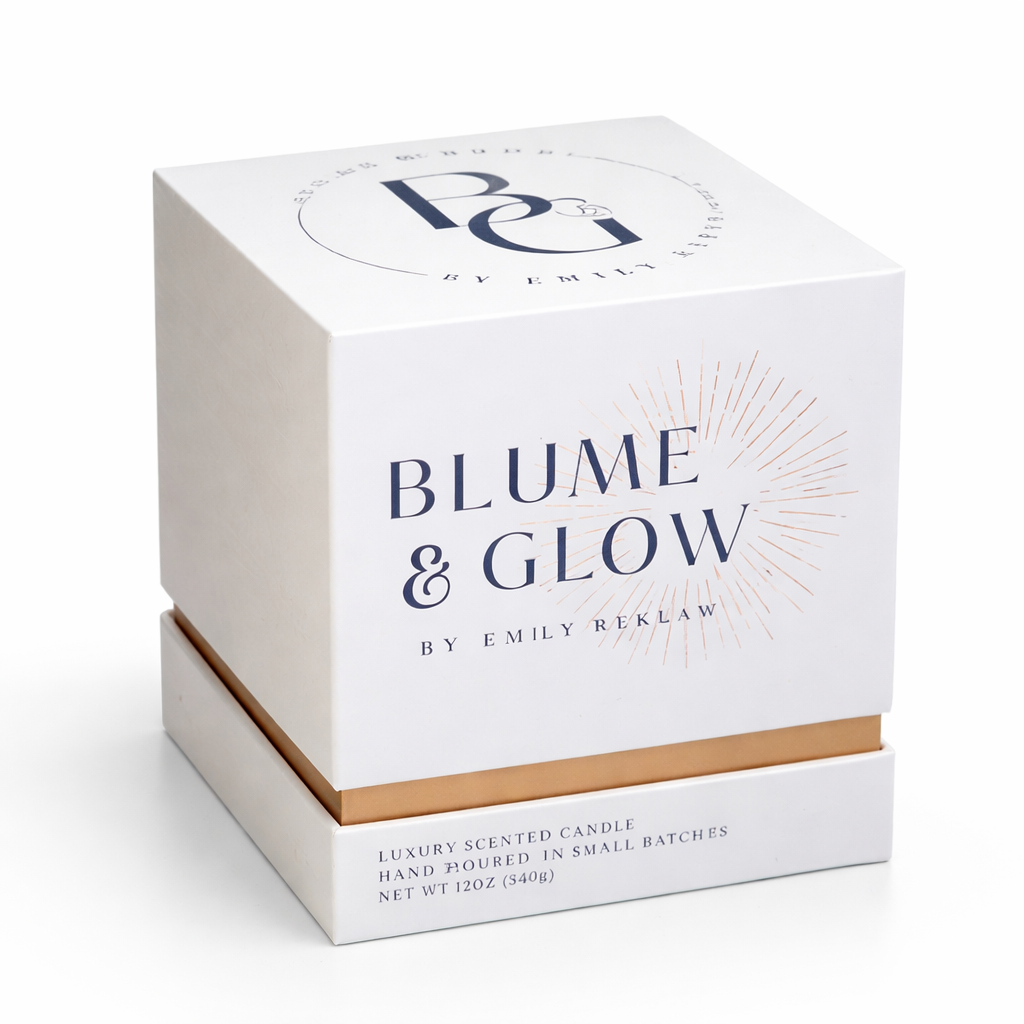
A rigid box is made from thick paperboard that is wrapped with printed or specialty paper. It does not fold flat after production, which gives it a strong and premium feel. Rigid boxes are often used for luxury products, gift sets, perfume, jewelry, electronics, chocolate, wine and high-end cosmetics. The structure feels solid in the hand and helps create a better unboxing experience.
A folding carton is usually made from thinner paperboard and can be shipped flat before assembly. This makes it lighter and more cost-effective than a rigid box. Folding cartons are common in skincare, makeup, food, medicine, small retail products and daily consumer goods. They are suitable for brands that need good printing quality and efficient production at a more economical cost.
The biggest difference is presentation. Rigid boxes usually look and feel more premium. They are ideal when packaging is part of the product value. If customers are buying a gift set, luxury product or premium item, a rigid box can help increase perceived value. Folding cartons are more practical for products that need retail shelf packaging, product information and lower unit cost.
Protection is another consideration. Rigid boxes offer stronger protection because of their thick structure. They can also be combined with EVA inserts, foam inserts, paper inserts or molded pulp inserts to hold products securely. Folding cartons can protect lightweight products, but they may require additional inner packaging for fragile or heavy items.
Cost and storage are also important. Rigid boxes usually cost more because they use thicker materials and more production steps. They also take more storage and shipping space because they cannot be flattened. Folding cartons are generally more economical and efficient for high-volume retail packaging.
Both options can be customized with different surface finishes. Foil stamping, embossing, debossing, spot UV, matte lamination and gloss lamination can be applied to both rigid boxes and folding cartons. However, rigid boxes often show premium finishing effects more strongly because of their solid structure.
For many brands, the best choice depends on the product positioning. If your product is premium, gift-focused or needs a strong unboxing experience, a rigid box is often the better choice. If your product needs efficient retail packaging, lower cost and flat shipping, a folding carton may be more suitable.
ZN Packing provides both custom rigid boxes and folding cartons for international brands. We can help you compare structure, material, printing, finishing and budget to choose the right packaging solution for your product.